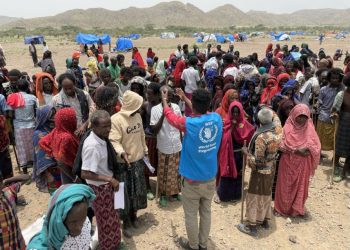


Tens of thousands of children in Ethiopia could be affected by the strengthening 2026/27 El Niño, as drought, extreme heat and flooding threaten to worsen food insecurity and disrupt access to essential services, UNICEF warned on September 1.
Ethiopia is among 13 countries in Eastern and Southern Africa identified by the UN agency as facing urgent and overlapping climate-related risks.
UNICEF said Ethiopian children are particularly at risk in areas already experiencing severe food insecurity and humanitarian vulnerability.
RELATED POSTS
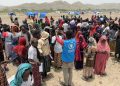

Across Eastern and Southern Africa, more than 162 million children, representing over two-thirds of the region’s child population, live in areas exposed to the impacts of the strengthening El Niño.
The agency warned that intensifying climate shocks threaten children’s nutrition, health, access to safe water and sanitation, education and safety.
“The threat from El Niño is growing, and the risks for children are already clear,” UNICEF Regional Director for Eastern and Southern Africa Etleva Kadilli said.
She said children across the region are already facing food and water insecurity, overstretched health services and disruptions to education, warning that additional major climate shocks could place further pressure on children and the systems supporting them.
UNICEF said forecasts provide a limited window for governments and humanitarian agencies to act before the most severe consequences of El Niño emerge.
However, less than one percent of international humanitarian assistance is currently available for anticipatory action, according to the agency.
UNICEF is seeking USD 173 million under its existing 2026 Humanitarian Action for Children appeal to provide anticipatory and life-saving assistance to children and families across the 13 priority countries.
The agency is calling for nutrition supplies to be pre-positioned and for early screening and treatment of malnutrition to be expanded. It is also seeking strengthened disease surveillance, vaccination and health services, alongside measures to secure safe water, sanitation and hygiene services.
UNICEF also called for stronger school infrastructure and alternative learning spaces to be prepared before climate-related disruptions occur, as well as expanded child-protection and social-protection measures.
The agency said early-warning systems should be linked with anticipatory cash assistance and other forms of social protection to help families before climate shocks intensify.
UNICEF estimates that every USD 1 invested in disaster-risk reduction can save as much as USD 15 in future recovery costs.
The impact of El Niño is expected to vary across the region. East Africa faces an increased threat of flooding during the short-rains season, while poor rainfall and weak harvests could deepen food insecurity across Southern Africa.
UNICEF warned that consequences for children, including increased malnutrition, disease and disruptions to essential services, could continue well into 2027.
El Niño is a naturally occurring climate pattern associated with unusually warm sea-surface temperatures in the Pacific Ocean, which can alter rainfall, temperatures and weather extremes in different parts of the world.