
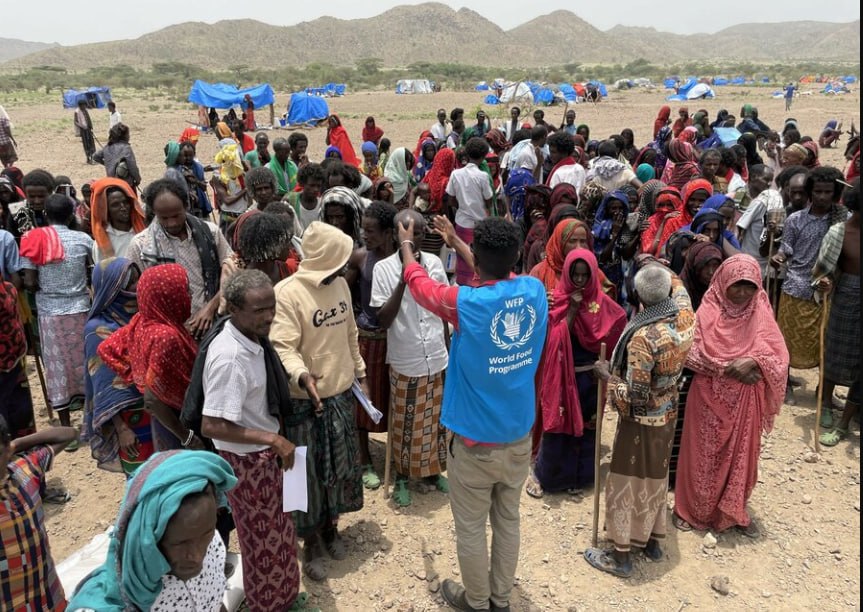

The World Food Programme (WFP) reports a USD251 million funding gap for its Ethiopia operations between November 2026 and April 2027, as it prepares relief assistance for 223,100 people in Afar, Amhara and Tigray.
Only 46 percent of the agency’s requirements for the six-month period are funded, according to its October country brief. The planned assistance will prioritise districts facing acute food needs linked to El Niño conditions, following the onboarding of cooperating partners.
Funding constraints have already limited assistance. Relief cereal distributions remained at 60 percent of standard rations, while pulses and vegetable oil remained at full allocations. Long-standing refugee populations separately received 60 percent rations, with newly arrived Sudanese and South Sudanese refugees prioritized for full rations.
RELATED POSTS


Insecurity, transport difficulties and fuel shortages also disrupted deliveries. Teaching and school feeding were interrupted in 45 Amhara schools, while hostilities restricted access to some schools in Afar and Tigray.
The brief also reports delays across all regions in selecting households for the sixth phase of Ethiopia’s Productive Safety Net Programme because updated poverty data are unavailable.
Meanwhile, potential flood-response cash assistance for 100,000 people in the Somali Region would require approximately USD1.3 million.
WFP expects humanitarian needs to remain elevated into early 2027. Drought-affected households face reduced harvests and earlier depletion of food stocks, while forecast above-normal rainfall in southern and southeastern Ethiopia brings flood risks.
The agency assisted approximately 2.1 million people in September, up from 1.9 million in August, through food distributions and cash transfers.