
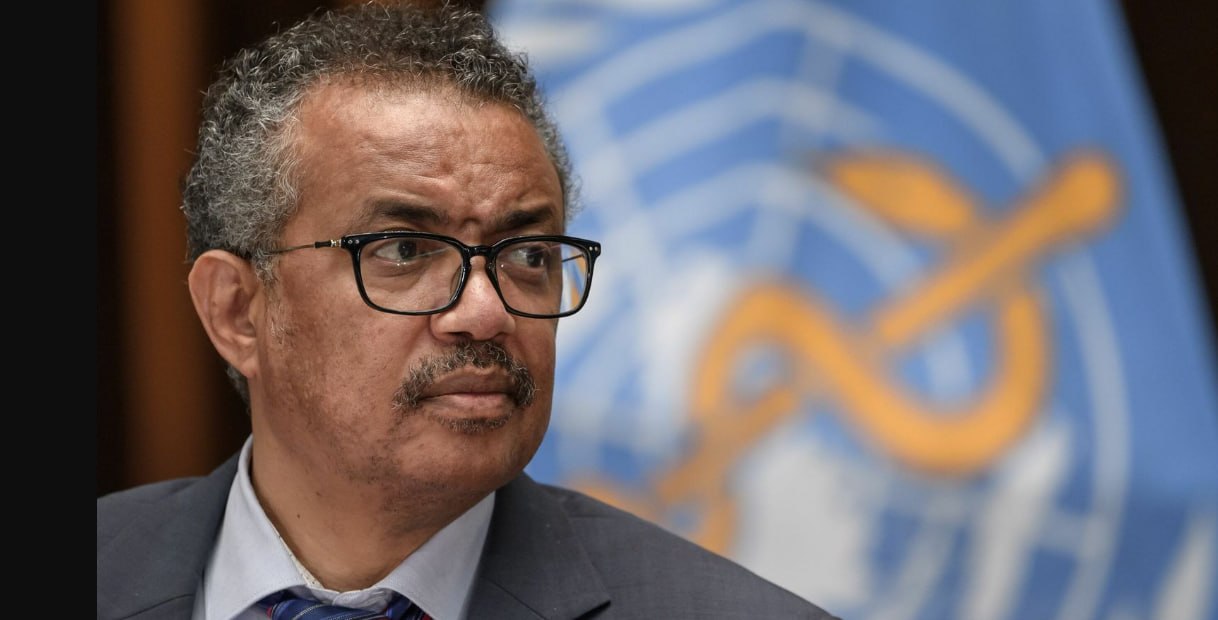

The World Health Organization (WHO) reported that it has dispatched more than 71 metric tonnes of medical supplies to Tigray, Amhara, and Afar amid ongoing conflict and growing humanitarian demands.
Meanwhile, the UN Office for the Coordination of Humanitarian Affairs (OCHA) warns that critical resource shortages are leaving health services overstretched. Currently, only 16 of the 57 required mobile health and nutrition teams are operating in Amhara, and 10 of those are expected to shut down by the end of October.
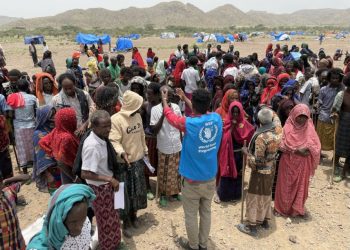
Despite insecurity and access constraints, humanitarian partners continue to provide life-saving assistance across the three regions, even as funding shortages threaten the continuity of essential services. In Amhara, partners are preparing to deliver food assistance to approximately 100,000 people in the Wag Himra and North Wollo zones. However, the limited number of operational mobile health and nutrition teams is raising serious concerns about access to healthcare for vulnerable communities.
RELATED POSTS

In Tigray, additional medical, nutrition, and essential supplies have reached health facilities and communities, with further deliveries planned. UN Humanitarian Coordinator Ozonnia Ojielo met with officials from the region’s newly established caretaker interim administration, stressing the need for unhindered humanitarian access to enable aid agencies to expand their operations.
Humanitarian operations are also continuing in Afar, although limited funding remains a major obstacle to sustaining assistance. According to the WHO, current interventions include disease surveillance, outbreak investigations, vaccine distribution, emergency preparedness, and general support for essential health services.
WHO emergency operations receive support from key donors, including the Central Emergency Response Fund (CERF) and the European Union through its European Civil Protection and Humanitarian Aid Operations (ECHO) programme.
OCHA has reiterated its call for all parties to facilitate the expansion of life-saving humanitarian assistance, warning that needs continue to exceed available resources. Continued funding and safe humanitarian access remain critical to sustaining health services and reaching communities affected by conflict and displacement.