
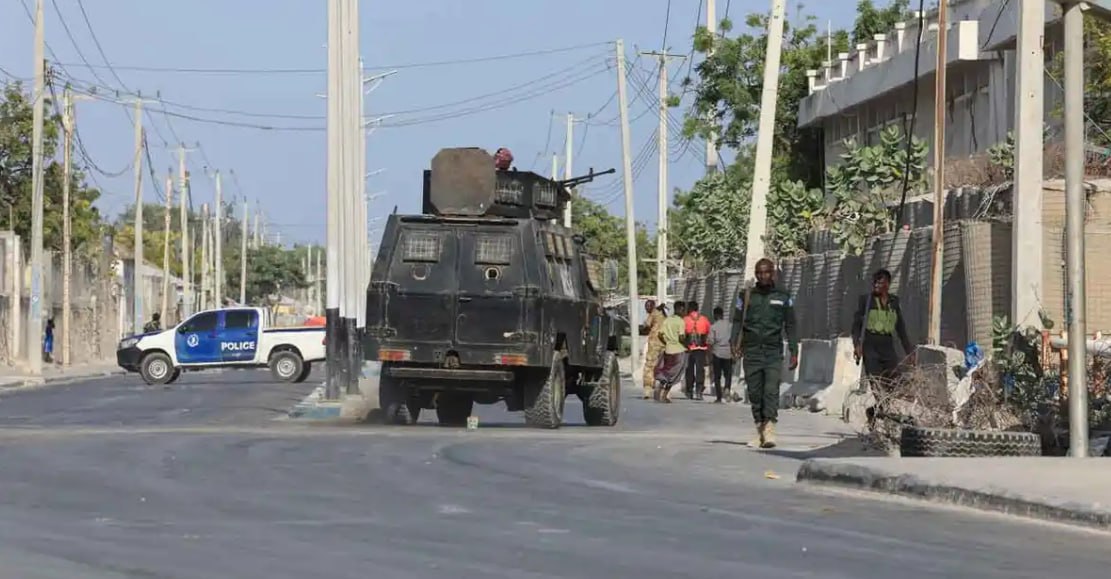

Ethiopia faces an escalating threat to its national security and eastern frontier following the impending December 31 termination of U.S. logistical funding to the UN Support Office in Somalia (UNSOS), according to Somali parliamentarian and regional security analysts.
During a seminar hosted by the Institute for Security Studies (ISS)on Security Risks and Regional Stability held on September 3, 2026, in Addis Ababa, the analysts claimed that removing United Nations-funded air support, transport, and operational sustainment from the African Union Support Mission in Somalia (AUSSOM) risks creating an immediate operational void along the shared borders of Ethiopia and Kenya.
Addressing the strategic dynamics during a panel discussion, Ahmed Abdi, a Somali Member of Parliament and secretary of the defense committee, highlighted the critical stabilizing role played by the Ethiopian National Defense Force (ENDF) across nine key districts in Somalia’s Southwest State.
RELATED POSTS

Ahmed, who previously served as a Somali counter-terrorism coordinator, noted that, “While Ethiopian troops maintain operational stability and counter Al-Shabaab within these buffer corridors, an uncoordinated withdrawal of broader peacekeeping logistics could destabilize the region, forcing Addis Ababa to unilaterally absorb the full burden of border defense.”
“The security funding cut and possible insecurity across Somalia will certainly affect neighbors,” Ahmed stressed.
Samira Gaid, regional security analyst and co-founder of the Balqiis think tank, also noted that Al-Shabaab is poised to exploit the funding cut and political fragmentation. She emphasized that as international multilateral support diminishes, local communities and armed factions in peripheral zones are already negotiating survival pacts with Al-Shabaab to prevent reprisals.
“The withdrawal of African Union peacekeepers or bilateral forces will inevitably force local communities into non-aggression pacts with Al-Shabaab,” she said. “Ultimately, Al-Shabaab stands as the primary beneficiary of Somalia’s growing political fragmentation and security vacuum.”
Panelists, including Abu Sherif, Senior Political Officer at the African Union’s Peace Support Operations Division, stressed that unless alternative funding or regional security frameworks are established, the resulting security vacuum will expose Somali Regional State to renewed cross-border terrorist incursions and heightened instability.